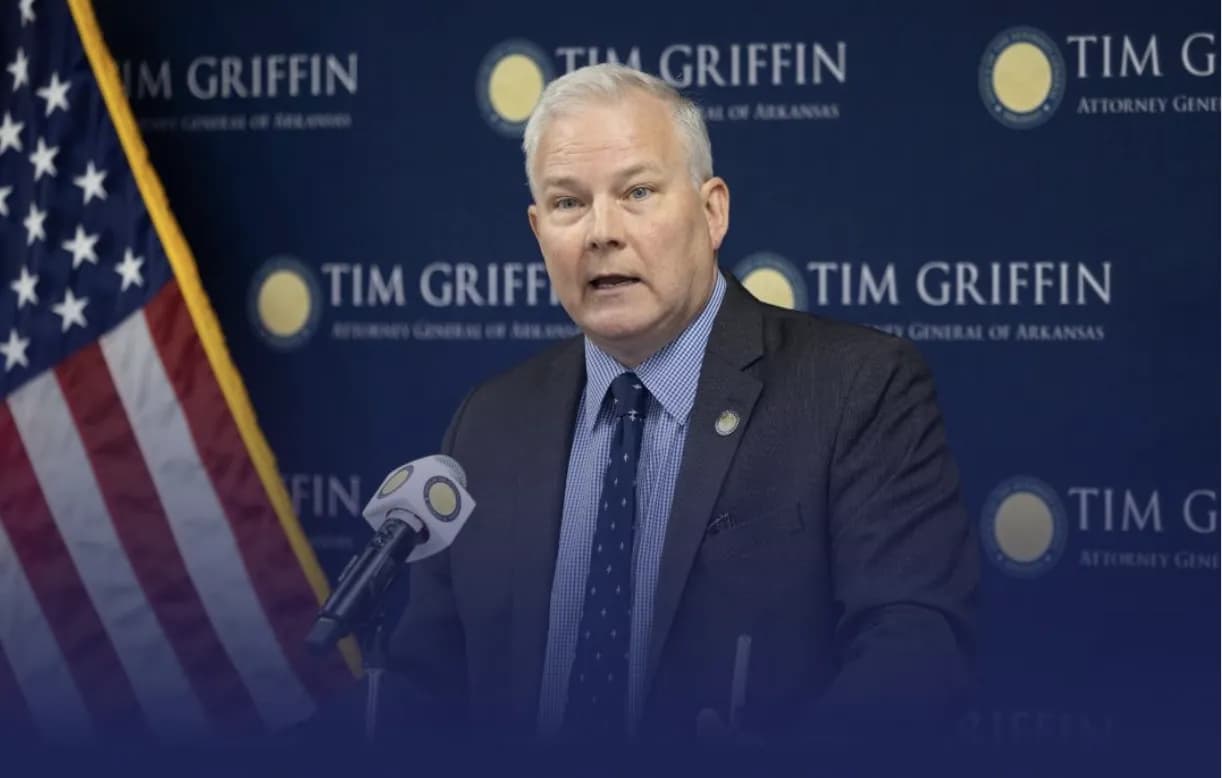
Arkansas Attorney General Tim Griffin announced a lawsuit against OpenAI alleging that the company misled consumers about ChatGPT’s safety while concealing known risks and limitations. According to the Attorney General’s announcement, nine other states filed similar lawsuits the same day.
The Arkansas lawsuit alleges that users, including minors, obtained instructions for self-harm and circumvented safeguards intended to prevent harmful responses. The state contends that these incidents undermine OpenAI’s representations about the effectiveness of its safety protections.
The claims fall into three broad categories:
Consumer protection: Alleged deceptive representations and material omissions under the Arkansas Deceptive Trade Practices Act.
Children’s and teens’ privacy: Alleged improper collection and retention of personal information, along with failures to provide required notice and obtain consent.
Common law: Negligence, strict liability for design defects and failure to warn, unjust enrichment, and public nuisance.
Arkansas seeks civil penalties, restitution, clearer risk disclosures, and injunctions against further violations, including collection of minors’ data. Its requested relief also extends to restrictions on further advanced AI testing and development of models capable of recursive self-improvement until adequate safeguards are in place.
Related resource
2026-10-14-Filed-Complaint-Case-No.-23cv-26-2984-compressed.pdf
8.6 MB
Why this matters
The lawsuit illustrates how state enforcement can bring consumer protection, privacy, and product liability theories together to challenge both the marketing and design of generative AI systems. Particularly consequential is the requested relief: Arkansas seeks judicial intervention that could reach beyond consumer disclosures and affect future model development.
For lawyers advising AI developers and businesses deploying AI, the allegations highlight the importance of substantiating safety claims, documenting known limitations, and assessing how safeguards perform in actual use, especially where minors are involved.